

HS Code Changes In 2025: What Global Importers Need to Know
The Harmonized Commodity Description and Coding System, commonly known as the Harmonized System (HS), serves as the backbone of international trade classification. For importers worldwide, HS codes determine everything from duty rates and regulatory requirements to statistical tracking and trade compliance obligations. However, the HS is not a static system – it undergoes regular revisions that can significantly impact import operations, costs, and compliance requirements. Understanding how HS code changes affect import operations is crucial for maintaining compliance, managing costs, and avoiding costly mistakes. This comprehensive guide explores what importers need to know about HS code changes in 2025, their implications, and best practices for importers to manage these transitions effectively.
What You Need To Know About The HS Code Changes In 2025
Every five years, the World Customs Organization (WCO) revises the Harmonized System to keep pace with evolving trade patterns, new technologies, and regulatory needs. The latest round of HS code changes takes effect on July 1, 2025, and they could have a direct impact on how your products are classified and cleared at customs. So, what do these changes mean for your business?
- Review and update your HS codes: Products you’ve been shipping under one classification may now fall under a revised or newly created code.
- Adjust product classifications: Align your product descriptions and documentation with the updated structure to remain compliant.
- Avoid costly risks: Using outdated codes can lead to incorrect duty payments, shipment delays, or even customs audits.
These updates are part of a broader response to today’s trade challenges. Customs authorities are under pressure to curb tariff avoidance and misclassification, especially with the surge of eCommerce shipments where vague descriptions like “gift” or just a brand name are no longer acceptable. By tightening classifications, the WCO and local customs offices aim to ensure that duties, restrictions, and trade policies are applied fairly and consistently worldwide. In an increasingly complex global trade environment, where tariffs shift quickly and restrictions vary by market, accurate classification matters more than ever. Staying ahead of the 2025 HS code changes is not only about compliance but also about keeping your supply chain moving without disruptions.
The Global HS Code Changes In 2025
The HS Nomenclature 2022 Edition
The HS 2022 Edition by WCO, which came into force on 1 January 2022, marked the seventh edition of the Harmonized System. Approved in 2019 and implemented across 211 economies, this update introduced 351 amendment sets, making it one of the most comprehensive overhauls in recent years. The goal was clear: to modernize the system, adapt to new product streams, and address environmental, health, and security concerns. Some of the most notable updates included:
- E-waste classification: For the first time, electrical and electronic waste was given visibility in the HS, enabling better monitoring under the Basel Convention.
- Novel tobacco and nicotine products: Specific provisions were added to reflect the growing trade and regulatory challenges around these products.
- Unmanned Aerial Vehicles (UAVs): Drones gained their own subheadings, making classification simpler and trade statistics more transparent.
- Smartphones and display modules: Smartphones were recognized under their own subheading, while flat panel display modules were treated as standalone products, removing classification ambiguity.
- Medical goods: Updates included simplified classification for diagnostic kits, new provisions for clinical trial kits and placebos, as well as recognition of cell cultures and cell therapies. These changes aimed to facilitate cross-border health research and accelerate outbreak response.
- Security and controlled substances: Dual-use items, radioactive materials, toxins, and equipment tied to terrorism concerns were given their own subheadings. Additional chemicals controlled under international conventions (CWC, Rotterdam, Stockholm, Kigali Amendment) were also added.
Beyond new categories, the 2022 edition also focused on clarification and alignment, ensuring consistency across languages and reducing misinterpretations. Customs administrations worldwide had to reconfigure tariff schedules, update correlation tables, and train their staff to manage these changes.
The HS Code Changes 2025: What Global Importers Need To Be Aware Of
The HS code changes taking effect on July 1, 2025 represent a coordinated global effort by the WCO to address pressing issues in trade and customs classification. These revisions are designed not only to update technical details but also to reflect broader policy priorities in sustainability, technology, health, and digital trade. For global importers, exporters, and logistics providers, the implications extend well beyond compliance, shaping costs, clearance speed, and even market opportunities.
HS codes are changing. Compliance is getting tougher. The difference between smooth clearance and shipment delays often comes down to a single number. That’s why leading exporters, importers, and logistics companies trust yTrade. We cover all sections of the Harmonized System, providing granular data up to the 6-digit level and beyond where available. See how yTrade simplifies HS Code coverage today
1. Sustainability Takes the Spotlight
Environmental and climate-related considerations now sit at the heart of trade policy, and the new HS codes reflect this reality. Dedicated classifications will be introduced for products such as:
- Solar panels and renewable energy equipment
- Electric vehicles and related components
- Lithium batteries
- Biodegradable and eco-friendly materials
By carving out separate categories for these goods, customs authorities can more effectively monitor environmental trade flows and enforce climate-related measures like the EU’s Carbon Border Adjustment Mechanism. For companies, this means both opportunity and responsibility: exporters of sustainable products may gain preferential treatment or incentives, while importers must ensure their product descriptions and codes are aligned with stricter requirements to avoid costly disputes.
2.Advancements in Technology
Innovation in electronics and digital devices has consistently outpaced the existing HS structure, often creating ambiguity in tariff applications. The 2025 changes provide sharper classifications for AI-powered devices, wearable technologies such as smartwatches, and next-generation consumer electronics. This brings greater clarity but also raises compliance expectations. Multifunctional products, those that combine features across categories, will be under closer scrutiny. For example, a smartwatch that doubles as a health device and a communication tool will now require precise classification rather than reliance on broad heading. Importers and exporters in the tech sector must therefore revisit product databases, ensuring that every device is coded accurately to prevent duty miscalculations, delays, or penalties.
3. Health and Safety Priorities
The global pandemic exposed the weaknesses of vague classifications in medical supply chains, where delays in identifying PPE, vaccines, and diagnostic kits cost valuable time.
In response, HS 2025 introduces more detailed codes for medical goods, making it easier for customs to process shipments quickly and consistently.
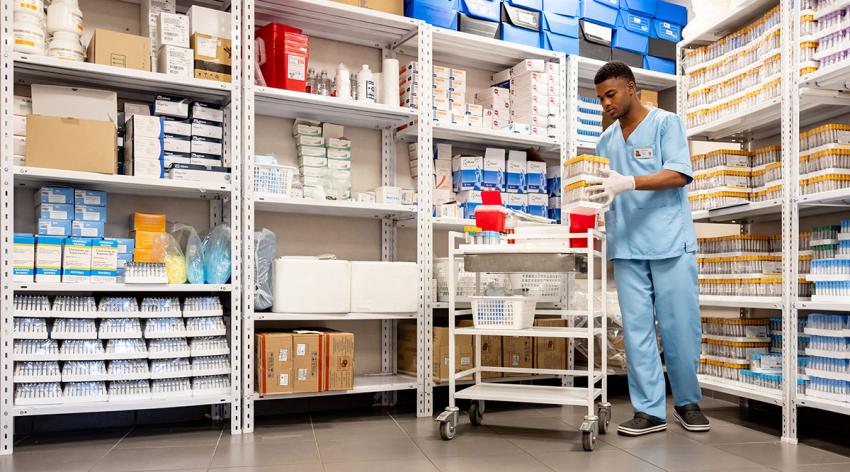 2025 expect more HS codes in medical supplies. Source: AAMC
For companies trading in pharmaceuticals, PPE, or clinical trial kits, this change reduces ambiguity but also heightens scrutiny. Customs authorities are expected to demand more precise documentation, meaning exporters and logistics providers must ensure their paperwork fully matches the new codes.
Ultimately, these changes are designed to support faster and safer cross-border movement of essential goods while improving governments’ ability to enforce public health regulations.
2025 expect more HS codes in medical supplies. Source: AAMC
For companies trading in pharmaceuticals, PPE, or clinical trial kits, this change reduces ambiguity but also heightens scrutiny. Customs authorities are expected to demand more precise documentation, meaning exporters and logistics providers must ensure their paperwork fully matches the new codes.
Ultimately, these changes are designed to support faster and safer cross-border movement of essential goods while improving governments’ ability to enforce public health regulations.
4. Digital Trade Adjustments
The rapid growth of eCommerce has overwhelmed customs systems, with millions of small parcels crossing borders daily. Many of these shipments are still declared with vague terms such as “gift,” “merchandise,” or simply a brand name, creating compliance blind spots. HS 2025 takes a step toward addressing this issue by refining classifications for digital goods, including eBooks, software, and digital media, and by pressing for more transparent reporting in small-parcel trade. For logistics companies, the shift will require system upgrades capable of handling accurate, product-level details at scale. Importers must also abandon generic labeling, as customs authorities will now expect clear, specific descriptions tied to the appropriate HS code. This is especially critical given the increasing focus on tariff avoidance in small-package trade.
Conclusion
The upcoming HS code changes in 2025 underline how critical accurate classification has become for global trade. From sustainability to technology and health, customs authorities worldwide are tightening requirements, and businesses that fail to adapt to risk costly disruptions. As international trade continues to evolve and regulatory requirements become increasingly complex, the importance of effective HS code management will only grow. Importers who invest in understanding and managing these changes will maintain competitive advantages while ensuring compliance with evolving international trade requirements. With yTrade’s complete HS Codes and customs data coverage, you can stay ahead of these changes. We allow access to multi-language HS codes, duty calculators, and cross-border customs data instantly to keep your supply chain compliant and competitive. 👉 Discover HS Code Coverage with yTrade
Frequently Asked Questions
Why do HS codes change?
HS codes change to reflect new products, technological developments, and evolving global trade patterns. The World Customs Organization periodically updates the Harmonized System so that goods can be classified accurately in international trade.
What is the HS 2028 amendment?
The HS 2028 amendment is the next scheduled update to the Harmonized System classification developed by the World Customs Organization. It will revise product categories and codes to account for emerging industries, new technologies, and changes in global trade.
When were HS codes last updated?
HS codes were last updated in 2022, when the World Customs Organization introduced the HS 2022 revision. These updates included new classifications for products such as drones, electronic waste, and advanced technologies.
What does an HS code mean?
An HS code is a standardized numerical classification used to identify products in international trade. It allows customs authorities worldwide to determine tariffs, collect trade statistics, and enforce import and export regulations.
What is the new customs tariff 2026?
The customs tariff for 2026 refers to updated tariff schedules adopted by national governments based on the latest Harmonized System structure and trade policies. Each country publishes its own tariff rates and import duties for goods entering its market.
How often are HTS codes updated?
HTS codes are updated regularly by national authorities. In the United States, the Harmonized Tariff Schedule can be updated multiple times per year to reflect tariff changes, trade policies, or regulatory adjustments.
Does every country have a different HS code?
All countries use the same first six digits of the HS code because it is a global classification system. However, many countries add additional digits beyond six to create national tariff codes for more detailed product classification.
What happens if I use the wrong HS code?
Using the wrong HS code can lead to incorrect tariff payments, customs delays, shipment reclassification, or regulatory penalties. In some cases, authorities may impose fines or require corrected documentation before goods are released.
yTrade contributor
Recommended Reading
China Oil Imports by Country: Where Does China Get Most of Its Oil From?
China oil imports by country: Russia leads at 20.11% of US$243.6B in HS 27 fuel imports over Jan–Jul 2026, ahead of Saudi Arabia at 10.46% and Brazil at 9.89%.
Top Coffee Exporting Countries in 2026: Who Are Coffee Top Suppliers?
Coffee exporting countries in 2026: Brazil leads the world, Vietnam is second at US$4.39B, ahead of Ethiopia and Uganda in HS 0901 trade data, Jan to Jul.
What Country Exports the Most Beer? 2026 Beer Trade Data
What country exports the most beer in 2026? Mexico leads global beer trade, ahead of the Netherlands, Belgium, Germany and Vietnam, HS 2203 yTrade data.
Which Are the Top Rice Importing Countries in 2026?
Rice importing countries 2026: Tanzania leads at US$7.1B (47.24%), ahead of the Philippines (US$4.15B) and Vietnam by destination value in HS 1006 trade data.